What Formula One Teaches Us About Coaching Women Leaders
Dec 15, 2025
#WCorp #WomenInLeadership #LeadershipDevelopment #GenderAwareCoaching #FemaleLeadership #LeadershipPerformance #TalentDevelopment #HighPerformanceTeams #LeadershipPipeline #BusinessInnovation
By WCorp Editorial Team
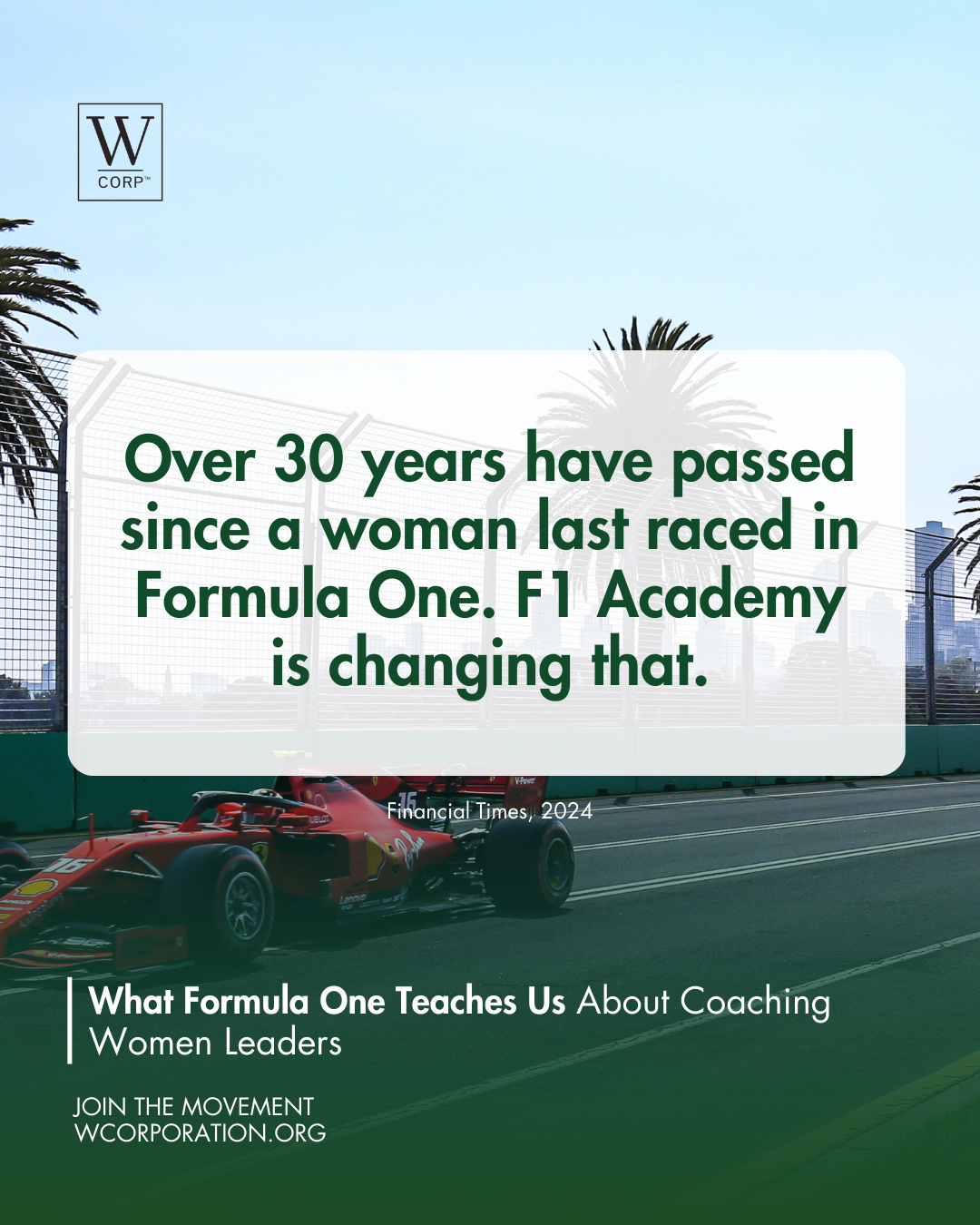
Over 30 years have passed since a woman last raced in Formula One, one of the most exclusive and male-dominated arenas on the planet (Financial Times, 2024). Against this backdrop, the F1 Academy is creating a pipeline of elite female drivers, providing a space for talent to develop, compete and be seen.
During a visit to the Academy, Geeta Sidhu‑Robb spent time coaching Nicole Havrda. Even in that brief engagement, Nicole found the support transformative. Coaching helped her channel her “killer instinct,” leave personal distractions off the track and direct her focus where it mattered most. The impact was immediate: Nicole moved from 18th to 10th place during the day - clear evidence that targeted, gender-aware coaching sharpens performance.
Nicole’s journey illustrates a key lesson for business: when women are given the platform to perform, even short, well-targeted support can produce measurable results.
Why Coaching Women Differently Delivers Business Value
In the UK, women now hold around 43% of FTSE 350 board positions, yet only about a third of wider leadership roles, and an even smaller share of the most powerful positions such as Chair, CFO and CEO, according to the latest FTSE Women Leaders Review. Businesses are investing in leadership pipelines, but progress into the very top positions remains slow.
Tailored coaching offers a strategic solution. Recent evidence shows the impact clearly:
- Performance Gains: UK coaching data, drawing on research from the Institute of Coaching and similar bodies, shows that over 70% of people who receive coaching report improved work performance, relationships and communication skills, and around 80% report higher self‑confidence. When women access this kind of targeted support, those gains translate into sharper decision-making and stronger results for their teams (Growth Idea).
- Leadership Pipeline: Confidence, clarity and focus prepare women for high‑stakes roles and support the conversion of strong female talent into senior appointments, echoing the FTSE Women Leaders Review’s findings.
- Retention and Engagement: When women feel seen, supported and invested in, retention improves - particularly during the career transitions where many organisations lose talented mid-career women. (EY)
Put simply, investing in gender-aware coaching drives ROI, innovation, and stronger leadership teams.
High-Performance Sport Shows What’s Possible
Sport offers a striking parallel for business. When women receive structured, high-expectation support, performance rises quickly and visibly.
The F1 Academy: Pressure, Clarity and High Stakes
The Academy exists to prepare elite female drivers for the world’s most demanding racing environments. Nicole Havrda’s experience - improved focus and a top-ten finish after a single day of targeted coaching - mirrors what happens inside high-performing companies. When leaders receive context-specific guidance, performance sharpens, and results follow.
World Sailing: Steering the Course 2025
Sailing is one of the sports making deliberate, measurable progress on gender equity.
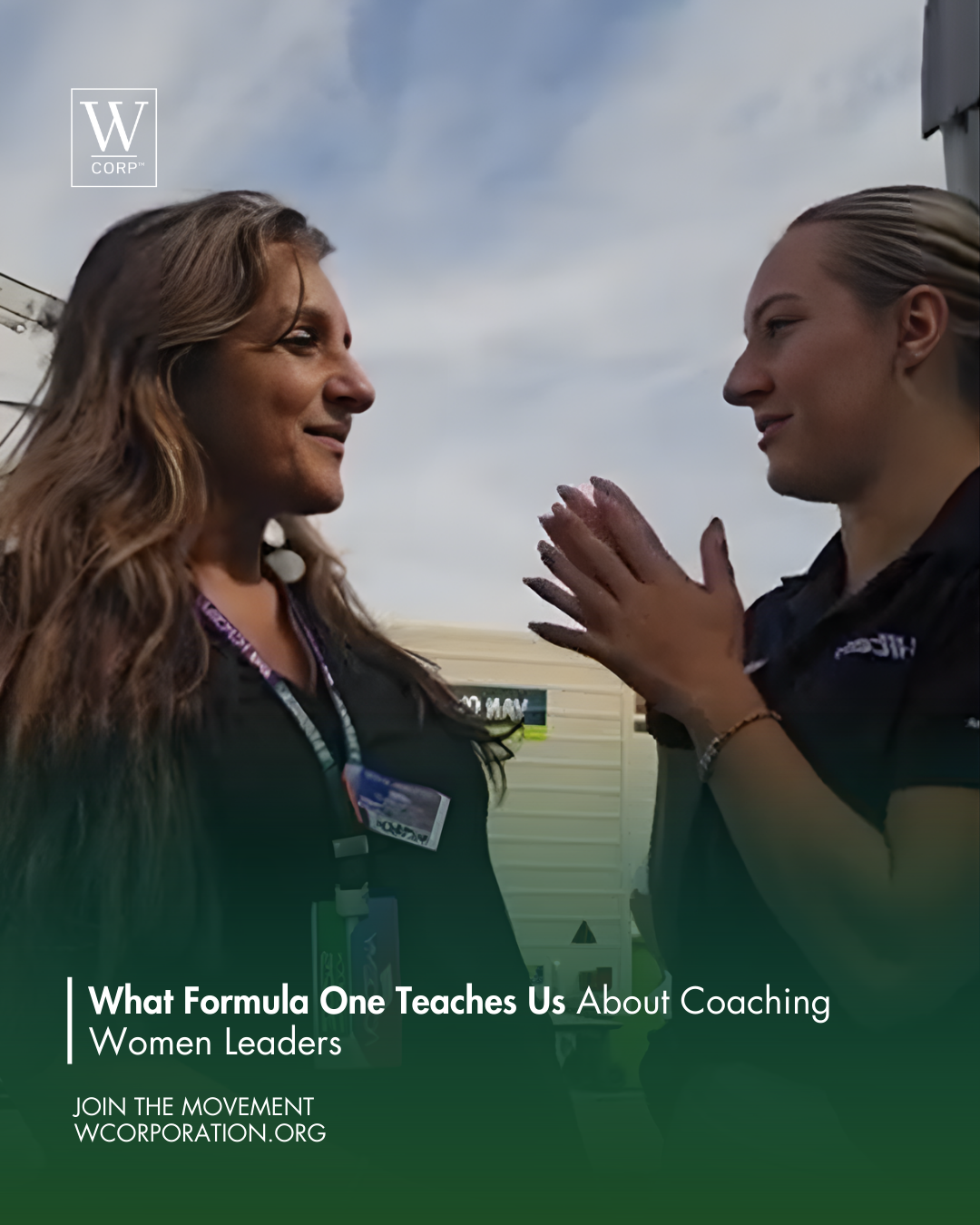
(From interviews with Nicole Havrda.)
Steering the Course 2025 includes commitments such as:
- Increasing female coaches and support staff at major championships from 18% to 30% by 2026/27 (Sail World).
- Achieving 50% female representation in technical coaching and race officiating courses
- Building long-term pathways that place women visibly and consistently into high-performance roles (Sail World).
These structures closely resemble the talent pipelines organisations use to shape future senior leaders.
The Famous Project: Jules Verne Trophy
The all-female Famous Project crew is attempting a non-stop circumnavigation of the globe, a challenge no all-female team has completed before. These sailors bring decades of experience, multiple world records, and dozens of transatlantic races (idecsport.com). Their mission demonstrates how ambition and visibility expand credibility. The same dynamic unfolds in business: when women are placed in high-impact roles, confidence grows, resilience strengthens, and organisations benefit from deeper leadership capability.

The Strategic Advantage
Across motorsport, sailing, and corporate leadership, the pattern is consistent: women thrive in environments that combine tailored support, psychological safety, and high expectations.
Nicole Havrda’s progress at the F1 Academy shows how quickly performance shifts when women receive coaching aligned with their lived realities. The broader movement in global sport demonstrates the long-term gains that come from building structured pathways.
The implication for organisations is clear. Investing in women’s leadership development builds stronger teams, sharper performance and more innovative cultures.
The foundations are laid. The momentum is building.
The question for business leaders is simple: who will invest now and gain the performance advantage already playing out across elite sport and high-growth organisations?