Halo Scandal Shows Why Companies Must Listen to Women
Dec 22, 2025
#HaloScandal #SkySports #WomenInSports #GenderEquity #WomenInLeadership #InclusiveLeadership #WorkplaceCulture #EmployeeRetention #LeadershipPipeline #DiversityAndInclusion #B2BInsights #CorporateStrategy #WomenAtWork #SponsorshipROI #BusinessPerformance
By WCorp Editorial Team
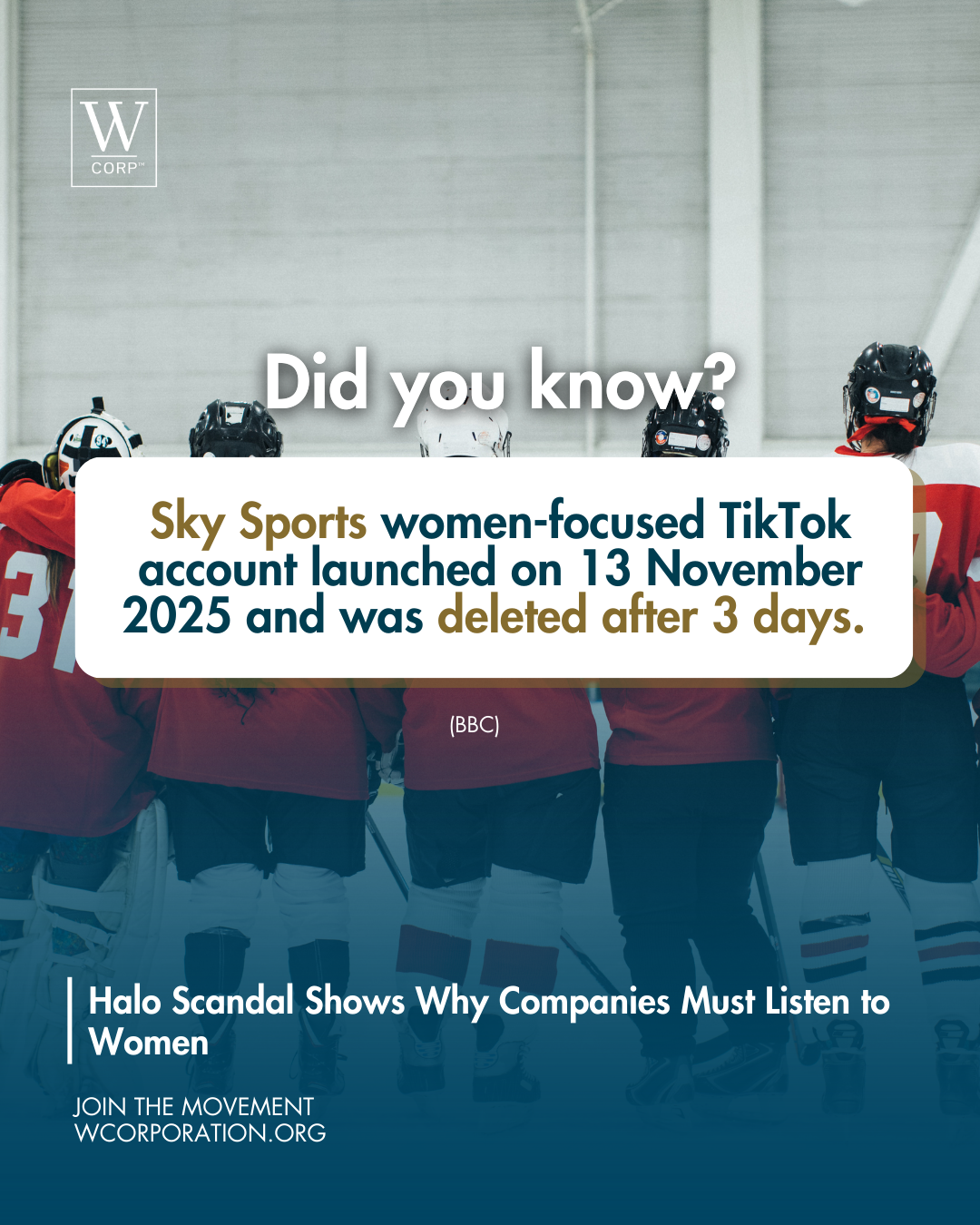
Sky Sports’ short‑lived TikTok channel, Halo, was launched to reach women sports fans. It went live on 13 November 2025 and was deleted just 3 days later after viewers across the UK called out its patronising tone and oversimplified content. The speed of the backlash shows how fast women reject brands that underestimate their knowledge, and how reputational damage compounds when organisations speak about women rather than with them. For business leaders, this is not a social‑media blip; it is a live case study in what happens when a powerful audience segment feels talked down to instead of treated as a strategic partner. BBC
Women’s sport is now one of the fastest‑growing areas in the industry, with revenues in elite women’s sport projected to rise sharply over the next few years, driven by sponsorship and media rights growth from major markets including the UK.
Recent UK research from the Women’s Sport Trust shows that more than half of UK adults (52%) want brands to use their women’s sport sponsorships to drive positive social change, not just promote products, with 45% feeling more positive towards brands that address unequal opportunities for women and girls in grassroots sport and 54% of 18–34 year‑olds responding positively to brands tackling barriers to female participation. For brands seeking lasting connection and reputation growth, women’s sport offers a clear opportunity to lead with values, build trust and deliver meaningful impact. Brands that respect women fans as informed, influential decision‑makers gain reach, loyalty and purchase intent; brands that patronise them, like Halo, see that value evaporate in public.
Patronising Communication Erodes Value
Halo treated women as needing sport “translated” or softened, rather than recognising that many women already analyse tactics, follow data and debate performance with depth and confidence. That framing does more than irritate viewers; it excludes women’s existing expertise from the conversation and sends a message that their contribution is secondary. Once that message lands, trust drops, emotional connection with the brand weakens and the organisation loses access to a community that could have been an engine of insight and growth. (Parity)

The same pattern shows up in workplaces when internal messages and policies treat women as a generic group rather than as informed colleagues with specific expertise. Women who feel underestimated contribute fewer ideas, challenge assumptions less often and are less likely to put themselves forward for high‑impact projects, which reduces innovation, weakens decision quality and limits the organisation's ability to respond to market shifts. Over time, this dynamic increases attrition among women in critical roles and leaves leadership teams without the breadth of perspective they need to navigate complex markets and changing customer expectations. (Yale Insights)
Inclusion Links Directly To Performance
The commercial case for listening to women is well established. McKinsey & Company’s recent diversity research shows that companies in the top quartile for gender diversity on executive teams are significantly more likely to outperform their peers on profitability, while companies in the bottom quartile are up to two‑thirds less likely to achieve above-average profits. That link between diverse leadership and stronger earnings reflects better decision‑making, improved risk assessment and a closer fit with customer needs.
That business case becomes even sharper in volatile markets. McKinsey research shows teams drawing on wider lived experience respond faster to changing customer needs, spot blind spots earlier and avoid costly mistakes. The Halo scandal is a visible reminder of what happens when those perspectives are missing from the room. When women are present in the workforce but not genuinely listened to, organisations carry all the complexity of a diverse employee base without reaping the benefits in performance, resilience and innovation.
Women’s Sports Fans Prove The Point
The women’s sports market makes these dynamics visible. Research on sponsorship and engagement shows that women’s sports fans deliver longer viewing times, higher brand recall and significantly stronger social media engagement per post compared with men’s sports audiences. Roughly one‑third of this audience report being more likely to buy from brands that support women’s sport, with that figure rising even higher among women themselves, demonstrating clear ROI for sponsors. (Parity)
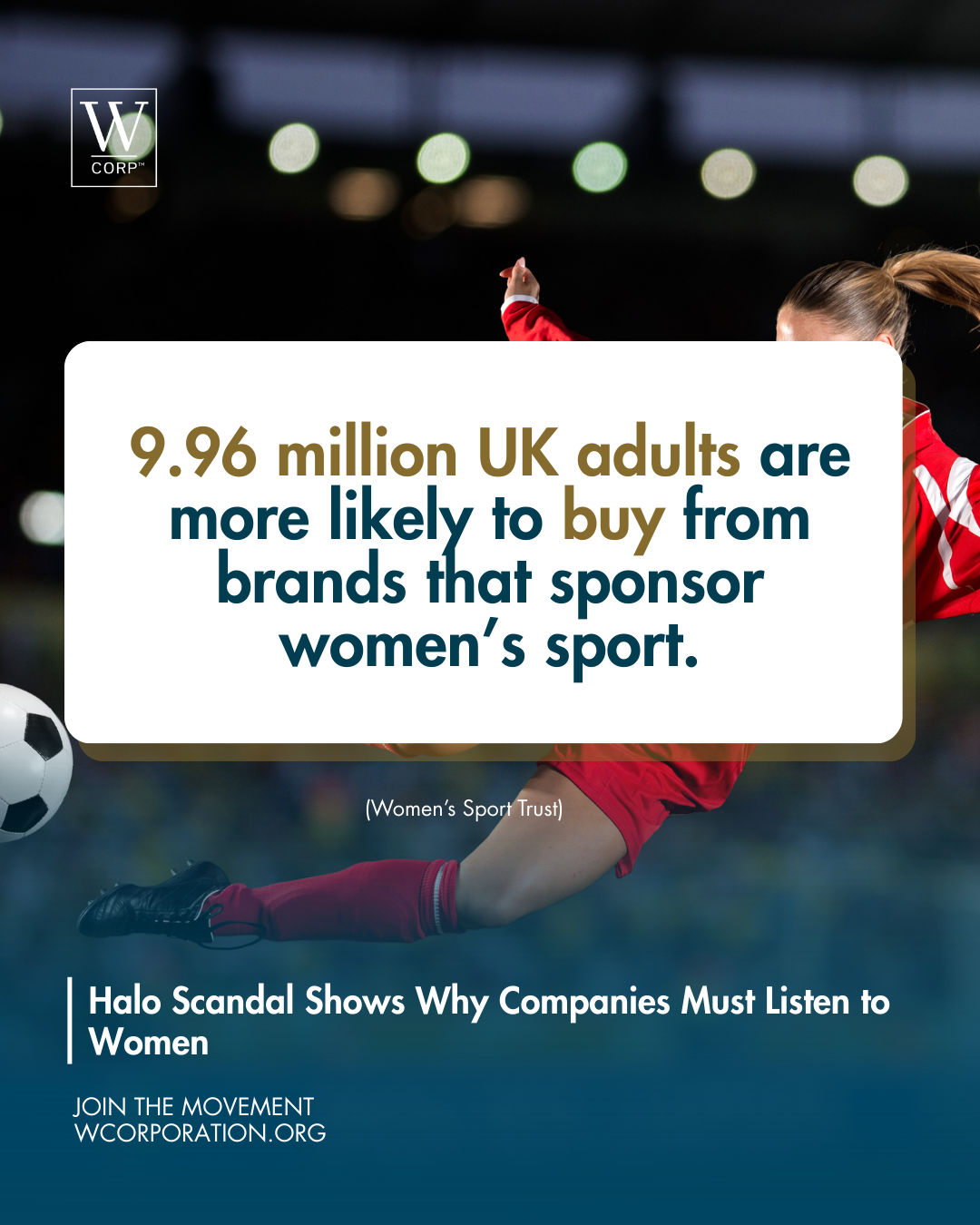
This is the audience Halo misjudged. Rather than tapping into an informed, values‑driven community with high engagement and strong conversion potential (9.96 million UK adults more likely to buy from women’s sport sponsors), the channel assumed low knowledge and low sophistication. When companies make similar assumptions about women employees and leaders, they under‑invest in the very group that is most likely to drive growth in new markets, build trusted relationships with customers and challenge outdated practices. (Women's Sport Trust)
Practical Actions For Companies
The organisations that turn moments like Halo into long‑term advantage do not simply apologise and move on - they redesign how they work:
- Co‑design with women: Involve women in concept development, prototyping and testing for campaigns, policies and products that affect them. Treat their insight as a core design input rather than a late‑stage sense-check - the same approach high-performing companies take when building diverse leadership teams. (McKinsey)
- Audit tone and assumptions: Review external content, internal communications and leadership messages for stereotypes, oversimplification or unexamined bias. Create a clear process for addressing issues quickly when they surface, enabling brands to capture the upside of women's sports and other growth markets without missteps. (wmt)
- Elevate women’s expertise: Put women in visible roles on revenue‑generating projects, transformation programmes and external representation, not only in HR or “culture” functions. Studies of gender‑diverse boards and executive teams link this visibility to stronger returns on equity and higher profitability. (PsicoSmart)
- Set standards and measure progress: Use structured frameworks such as WCorp Certification ****to define clear expectations, track progress over time and communicate outcomes to boards, investors and employees. Treat gender equity as a performance system tied to growth, innovation and risk management.
Companies that embed these practices see stronger retention of women in key roles, more robust leadership pipelines and clearer links between culture, innovation and financial results. The Halo scandal will eventually fade from the headlines, but its lesson endures: leaders must listen to women early, co-design initiatives with them, and safeguard both reputation and returns.