Br. Dr. Liz Leek, guest writer
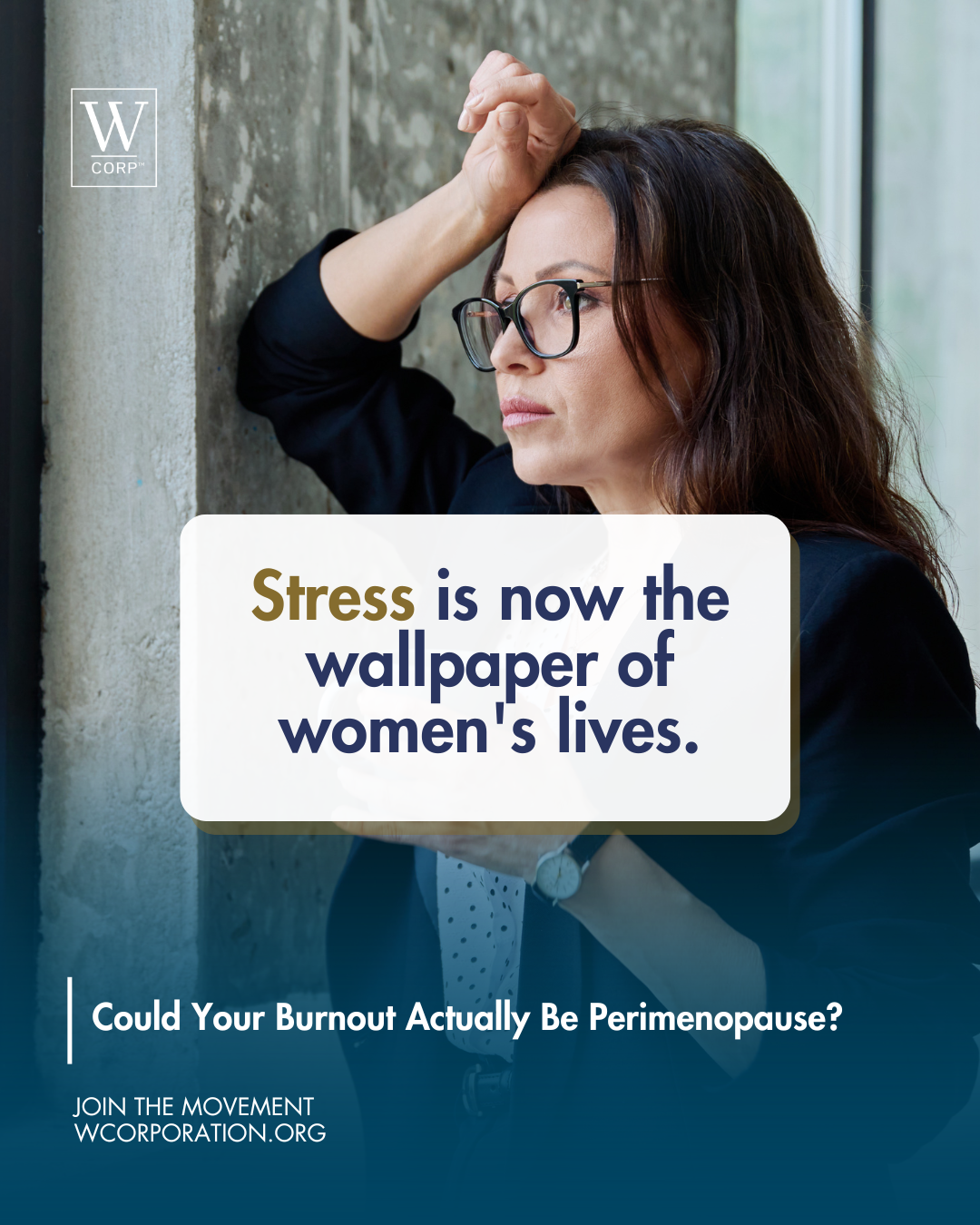
Stress is now the wallpaper of women's lives. We are juggling more than any generation before us, work, children, ageing parents, the relentless school WhatsApp, the running of a home and family logistics all whilst somehow we're still expected to look serene, nourished and "well" while doing it. It is little wonder women are more likely than men to experience mental health problems.
Emancipation has brought us extraordinary opportunities, and we are more than capable of meeting them. What we have not yet fully reckoned with is the price our bodies are paying for this constant, low-level state of overwhelm and what it is quietly doing to our hormones.
What stress does to the body
We feel stressed when life begins to stretch what we feel able to cope with. That threshold is highly individual, shaped by temperament, upbringing, previous experience and the support around us.
When the brain perceives a threat, it triggers the release of cortisol, adrenaline and noradrenaline. The trouble is that our biology evolved over millions of years to respond to ancestral threats: predators and famine, not inboxes that never empty, or the quiet pressure to appear composed at the school gate with a smile and mascara on. Different threat. Same hormonal response.

The cascade that follows
Cortisol release begins with corticotropin-releasing hormone (CRH), produced in the hypothalamus, deep within the brain. CRH does not act in isolation, dampening thyroid activity and reproductive hormones along the way. And here is something most women are never told:
progesterone, oestrogen, testosterone and cortisol are all built from the same precursor: cholesterol, which converts into a pre-hormone called pregnenolone. Under chronic stress, the body preferentially diverts that raw material towards cortisol, often at the expense of progesterone in particular.
Put simply: the brain cannot tell the difference between a sabre-toothed tiger and a difficult week. It defaults to survival, and survival does not prioritise reproduction.
What this looks like day to day
The downstream effects are intricate and interconnected, but they include:
● Raised blood sugar and blood pressure, to provide energy and blood flow for "escape"
● Increased insulin and a tendency to lay down fat, in anticipation of scarcity
● A dampened thyroid, slowing the metabolic baseline to conserve energy
● Disrupted melatonin, and poorer sleep
● Menstrual cycle disruption: irregular cycles, cycles without ovulation, or cycles where progesterone production after ovulation is reduced
Lower progesterone often brings more anxiety, broken sleep and irritability. From here, the cycle becomes self-perpetuating. Poor sleep adds fuel to the cortisol fire. Tired women tend to make tired choices: less considered food, less inclination to move, a glass of wine to take the edge off the evening and caffeine to take the edge off the morning. Weight begins to creep on, and energy continues to fall away.
In response, because the wellness world is loud, and the pressure to look a certain way is unrelenting, many women double down. They begin fasting, take up high-intensity training, eat less, push harder. And the body, already running on empty, responds with yet more cortisol.
Eventually it cannot keep up. Reserves run low. Cortisol production may falter altogether, or fall out of step with its normal daily rhythm. This is the physiological territory we call burnout.
So… am I perimenopausal, or burnt out?
Hopefully you can see the bigger picture now: stress drives a hormonal response that disrupts our cycles, encourages weight gain, fuels inflammation and accelerates ageing and then, instead of removing stress, we tend to add to it. Eventually the system breaks. We feel exhausted, foggy, anxious, unrecognisable to ourselves. On the surface, it can look very much like perimenopause.
So which is it?
Without taking a thorough individual history, I cannot answer that for you. But if you are a woman in your late thirties or forties, carrying a great deal and running on very little, it is entirely possible that what you are experiencing is burnout, not perimenopause. Which means HRT, on its own, is not always the answer.
What is the answer?
Take a step back. Properly. Look at your life with the same compassion and clarity you would bring to a friend's. What would you say to her, if she described to you what your weeks actually look like?
Then begin here.
Consider your load. What are you carrying that does not need to be yours alone? Where are expectations, yours or other people's, set unhelpfully high? What can be shared, delegated or outsourced? Many of us have learned to do everything ourselves because it feels quicker, or because asking feels uncomfortable. Neither is a sustainable strategy.
Then return, calmly, to the four lifestyle pillars:
● Sleep. Non-negotiable. Poor sleep adds fuel to the cortisol fire. Keep alcohol to a minimum through the week. The bedroom is for sleep and intimacy only. Keep screens out of it. Step away from phones, laptops and tablets in the two hours before bed, and aim to spend two to five minutes outside in natural light on waking.
● Movement. Non-negotiable. Poor sleep adds fuel to the cortisol fire. Keep alcohol to a minimum through the week. The bedroom is for sleep and intimacy only. Keep screens out of it. Step away from phones, laptops and tablets in the two hours before bed, and aim to spend two to five minutes outside in natural light on waking.
● Diet. Whole foods, much as our grandmothers would recognise them. Be wary of anything in a bag, a box or with a barcode. Eat the rainbow.
● Stress management. How we perceive the world plays a significant part in where our threshold for stress sits. Practices such as breathwork, meditation, EFT tapping, yoga, journaling and mindful walking are not optional extras; they are the means by which we activate the parasympathetic nervous system to counterbalance the chronically over-stimulated sympathetic one.

A final thought
Reading all of this can, ironically, feel stressful in itself. But awareness is what allows us to make different choices, and it is different choices that protect our hormones, our health and our future selves.
Both burnout and perimenopause are real, and the two often overlap. As an integrative women's health doctor, I see this rising tide every week in clinic. There are tests, supplements and bespoke hormonal treatments that can be genuinely transformative, but they work best when guided by a properly trained integrative or functional medicine practitioner who is looking at the whole picture.
Beyond the work we do on ourselves, there is more to be done collectively. We can keep raising awareness of burnout within our female communities. We can encourage our workplaces to take women's health seriously, and to recognise that we are not, and never have been, smaller men. And we can share the load, properly, with the people around us who are willing and able to help us carry it.
Because none of us were ever meant to do this alone.