A Woman Is Going to the Moon. Why Women in Leadership Are Still Held Back on Earth
Apr 13, 2026
A woman reaching the moon marks a historic milestone. It also exposes a persistent gap in how organisations develop and retain women in leadership.
The milestone that highlights a wider gap
Christina Koch will soon become the first woman to reach the moon as part of NASA’s Artemis program. It is a historic moment for the United States and Canada, whose space agencies are jointly leading the mission. It is also a reminder of how recently women were excluded from basic economic and civic rights.
For organisations focused on women in leadership and long-term performance, this milestone reflects both progress and a persistent structural gap in the workplace pipeline for female leadership.
A recent history of exclusion still shaping today’s workplace
The last time humans walked on the lunar surface (Apollo – 1969), women in the United States could legally be denied credit cards, mortgages, and business loans until the Equal Credit Opportunity Act passed in 1974. Many of the world’s most prestigious universities, including Yale and Princeton, only began admitting women in 1969 and 1970. Employers could fire women for being pregnant until the Pregnancy Discrimination Act of 1978. Unmarried women did not have federally protected access to contraception until the 1972 Eisenstadt v. Baird ruling.
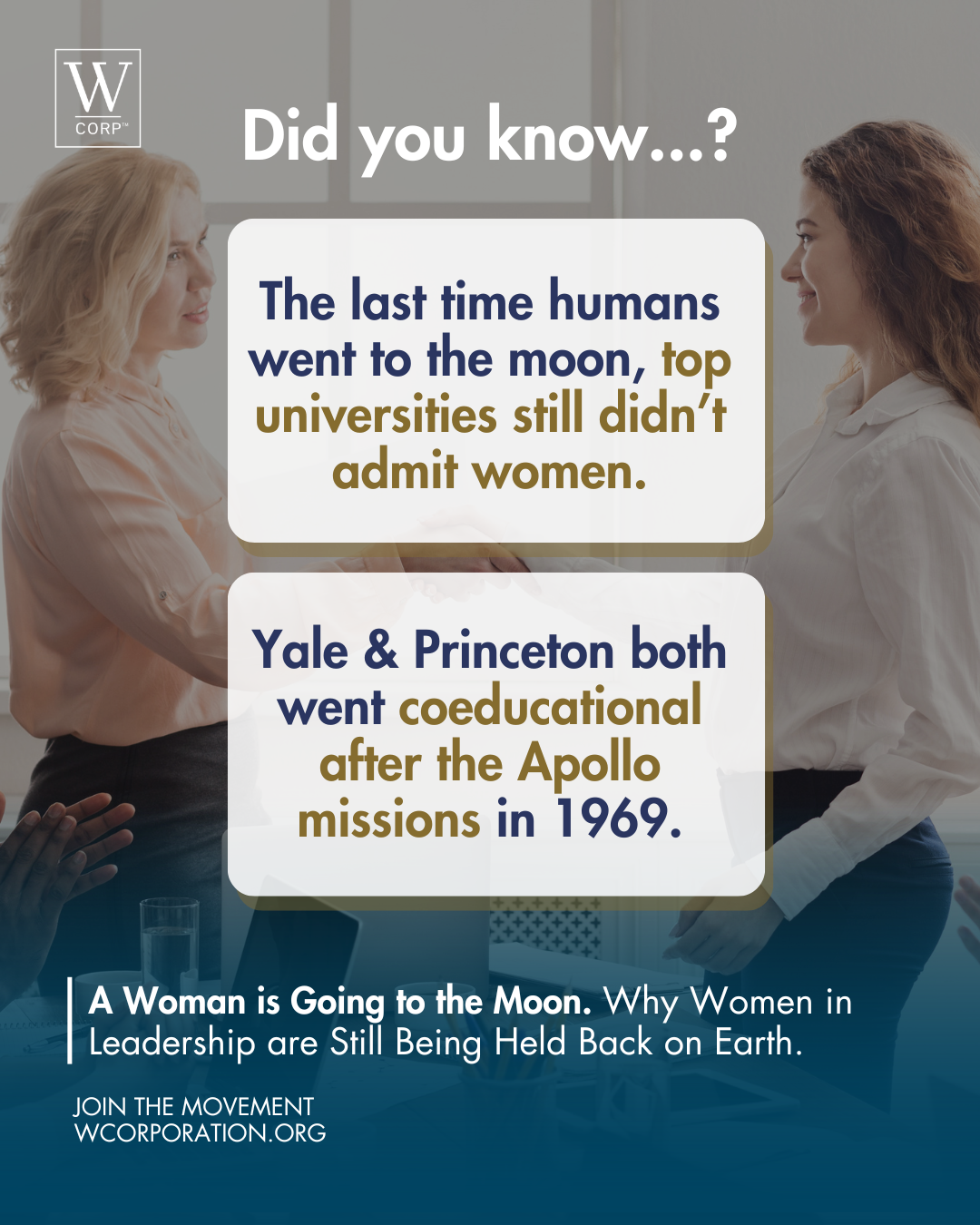
These facts are circulating widely on social media because they capture something essential: women’s progress has never been inevitable. It has always required pressure, policy, and persistence.
This history continues to shape gender equity in the workplace, influencing who advances, who is funded, and who reaches senior decision-making roles.
The leadership experience many companies still overlook
Christina Koch understands this personally. In a NASA interview, she said she is “no stranger to being the only woman in the room”. Millions of women across North America and around the world know that feeling. They know what it means to be the only woman at the table, the only woman on the leadership team, the only woman in the lab, the boardroom, or the engineering floor.
This remains a defining reality in women in leadership pipelines, particularly in high-growth industries where innovation and decision-making diversity directly impact business outcomes.
The data leaders cannot ignore
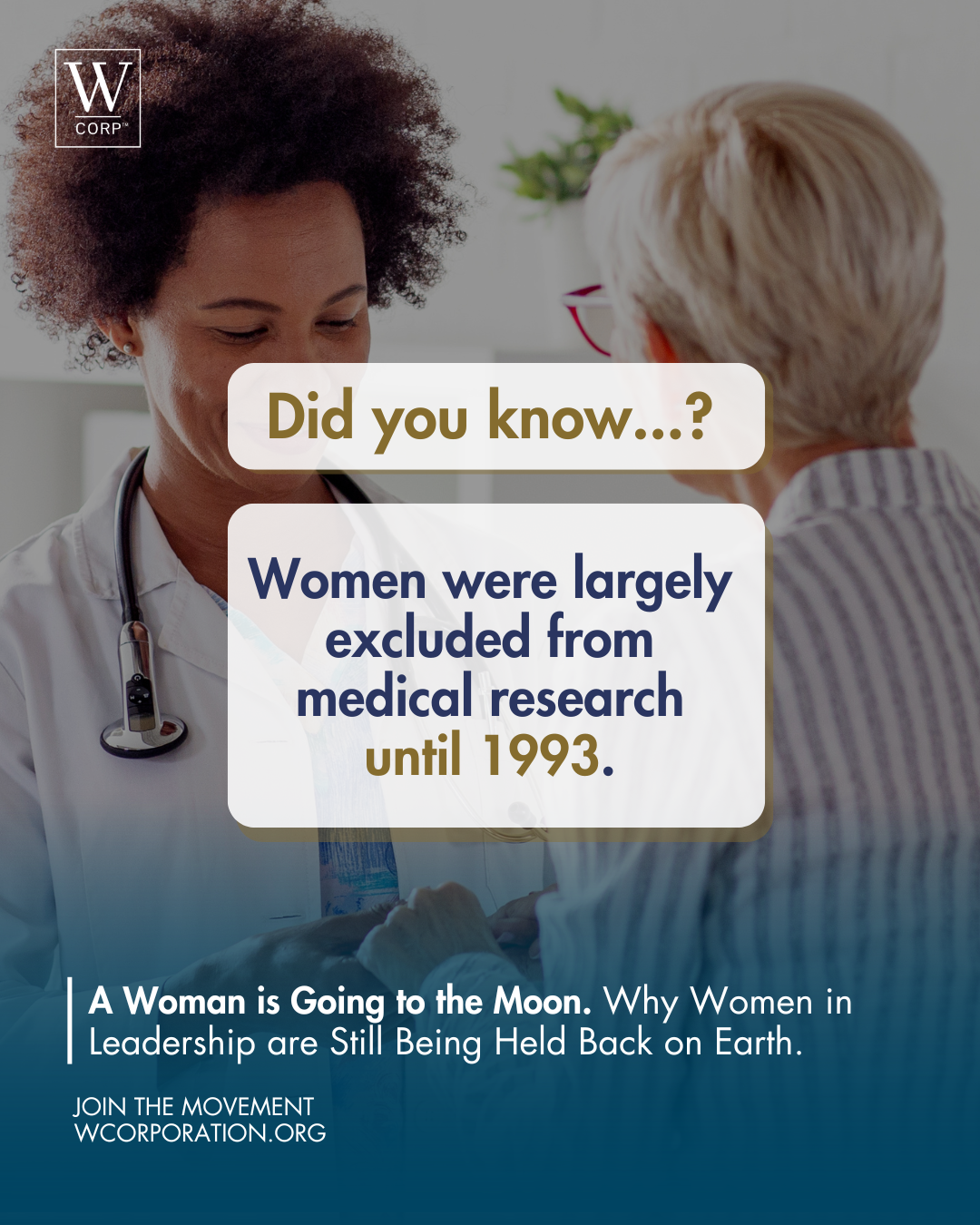
The systems that shape women’s lives today still reflect the legacy of exclusion. UN Women recently outlined six global truths about women’s health, including the fact that women were largely excluded from medical research until 1993. This exclusion continues to influence diagnostic accuracy, treatment effectiveness, and the way symptoms are interpreted. Women are more likely to have their pain dismissed, more likely to be misdiagnosed, and more likely to wait longer for treatment. These gaps directly affect workplace productivity, employee retention, and the long-term sustainability of female leadership talent.
Where businesses are losing productivity and talent
These gaps have direct economic consequences. Chronic conditions that disproportionately affect women reduce workforce participation and productivity, especially for women in their 40s and 50s who are at the height of their leadership potential. In Canada, women lose an estimated 3.5 million workdays each year due to untreated or under‑treated health conditions. In the United States, women with chronic pain are more likely to reduce hours or exit the workforce entirely. These trends represent a measurable loss in business performance, particularly in retaining experienced women in leadership at the most commercially valuable stage of their careers. Mid-career women represent one of the highest-return leadership segments, yet they remain one of the most under-supported and most likely to exit.
The leadership gap is a business gap
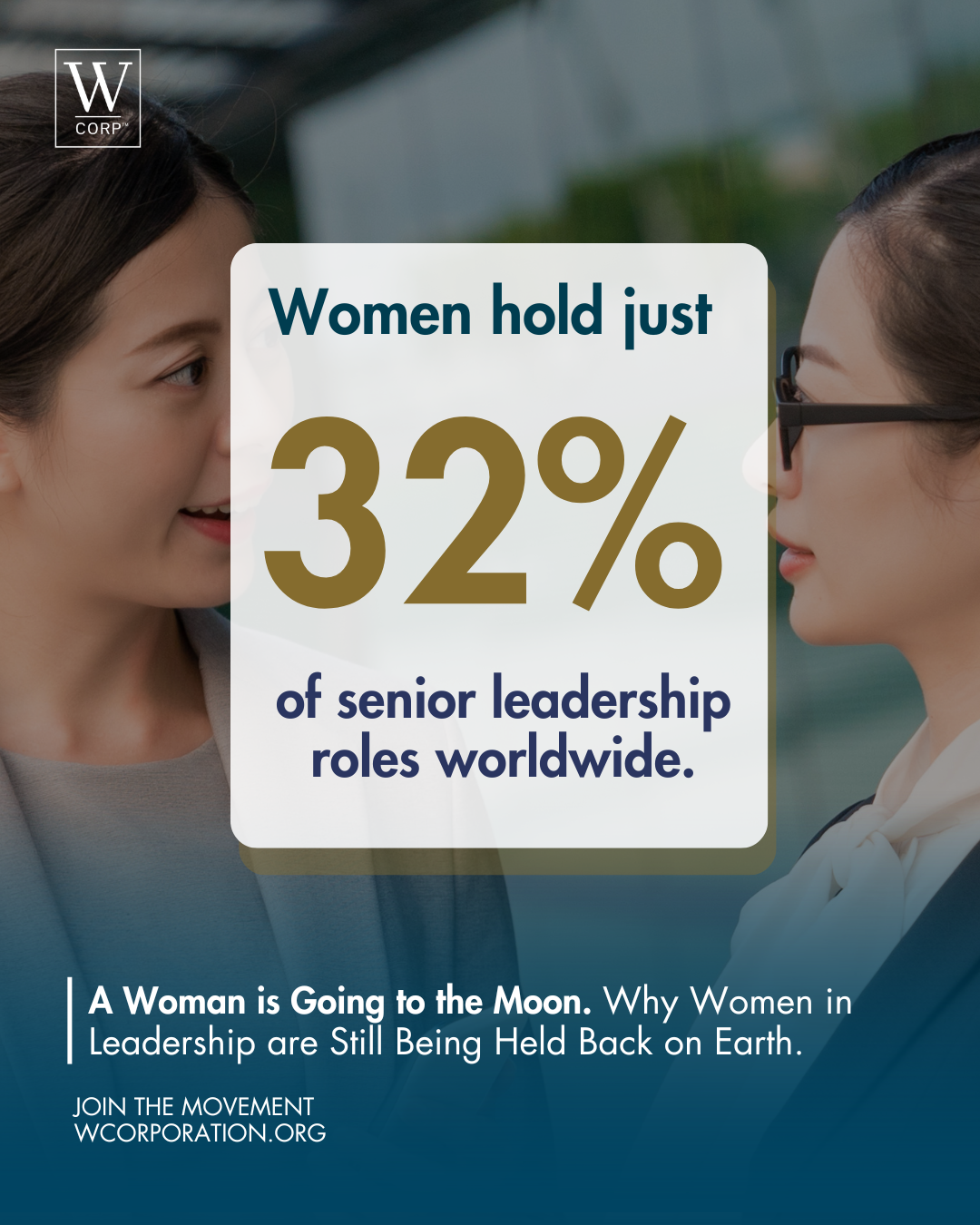
Leadership data tells a similar story. Women make up nearly half of the global workforce, yet only 32 percent of senior leadership roles worldwide, according to the World Economic Forum. In North America, women hold roughly 28 percent of C‑suite roles, and the number drops sharply for women of colour. For companies focused on leadership development, this gap signals a breakdown in the female leadership pipeline rather than a lack of talent.
High-performing women are operating in systems not built for them
These barriers are not abstract. They shape the daily experience of high‑performing women who are leading teams, driving revenue, and holding organisations together. Many are in their 40s and 50s, balancing peak professional responsibility with caregiving, health transitions, and the invisible labour that workplaces rarely acknowledge. They are delivering results in systems that were not designed with them in mind. This misalignment reduces innovation output, slows decision-making, and increases the risk of losing high-value leadership talent.
The economic opportunity companies are missing
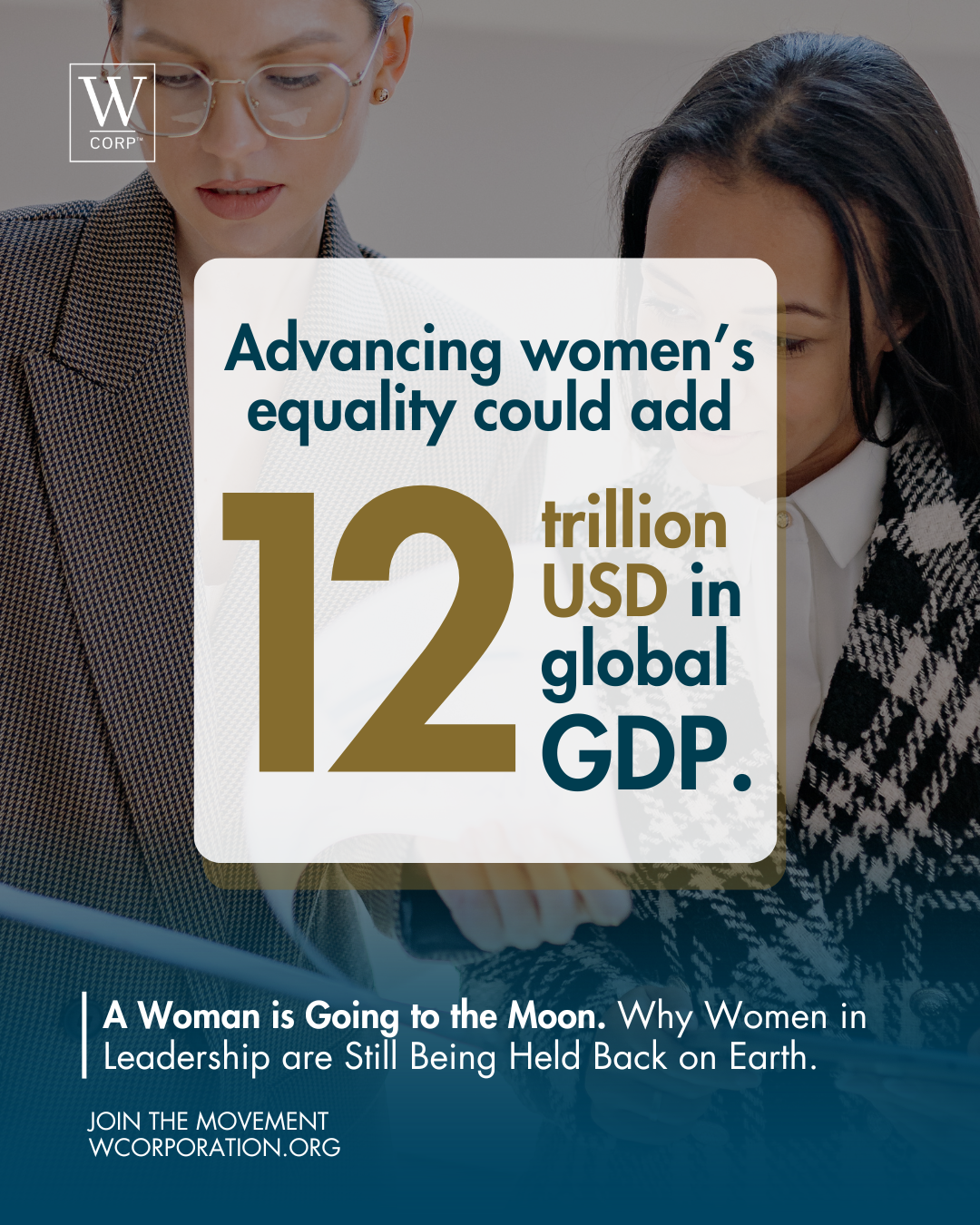
The economic cost of this is staggering. McKinsey estimates that advancing women’s equality could add 12 trillion dollars to global GDP. Companies with gender‑diverse leadership outperform on profitability, innovation, and decision‑making speed. The ROI is clear. The question is why progress remains so slow. For organisations prioritising gender equity in the workplace, the data reinforces a clear link between women in leadership and measurable business growth.
What leading organisations are doing differently
Christina Koch’s mission offers a useful lens. Space exploration requires precision, investment, and long‑term commitment. It demands that organisations remove friction, redesign systems, and build environments where people can perform at their highest level. The workplace requires the same approach. Leading companies are applying this same level of rigour to leadership strategy, investing in women’s health, redesigning evaluation systems, and strengthening the female leadership pipeline to improve retention and performance.
The next frontier for business performance
If companies want to retain and advance women, especially mid‑career and senior women, they need to treat gender equity as a strategic priority. That means redesigning leadership pathways, investing in women’s health, addressing bias in evaluation systems, and creating cultures where women do not have to be the only one in the room to be taken seriously.
A woman is finally going to the moon. It is a moment of progress with clear business implications. Organisations that prioritise women in leadership, strengthen gender equity in the workplace, and invest in high-performing talent will lead the next phase of innovation, growth, and competitive advantage.